


-

Add: HeBei ShengShi HongBang Cellulose Technology CO.,LTD.
-

Email
13180486930@163.com -

CONTACT US
+86 13180486930



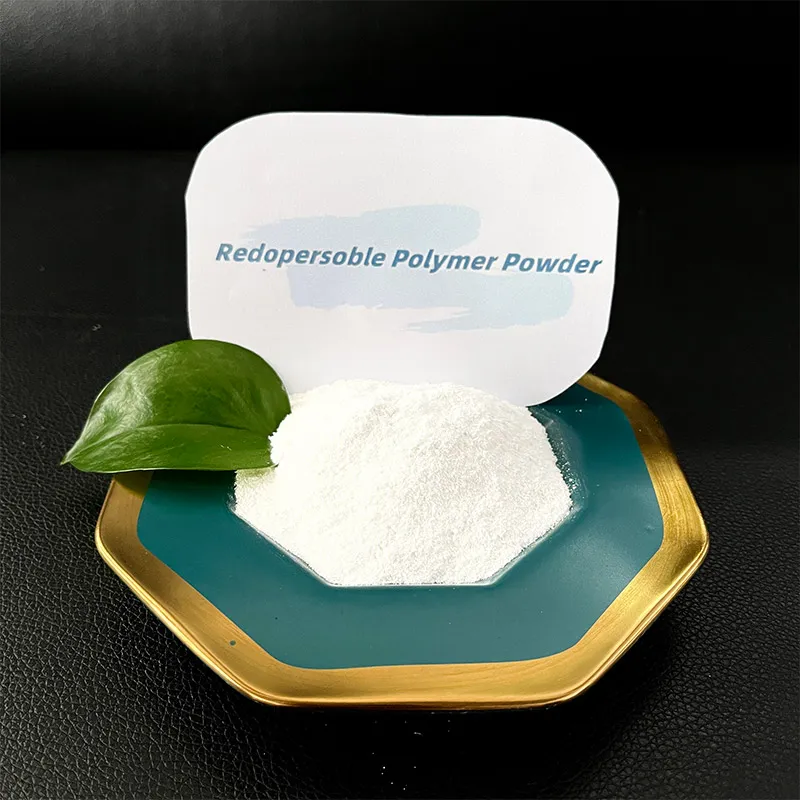
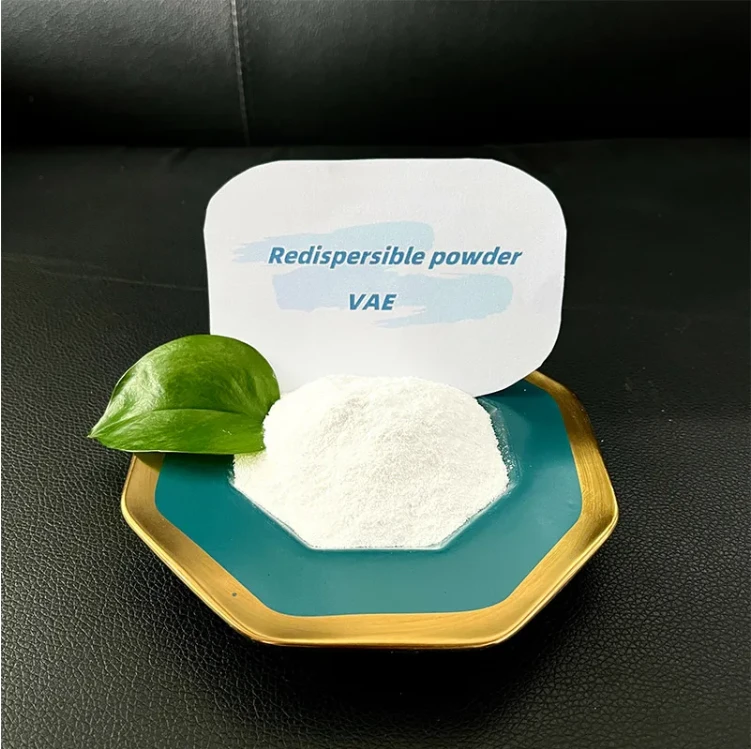
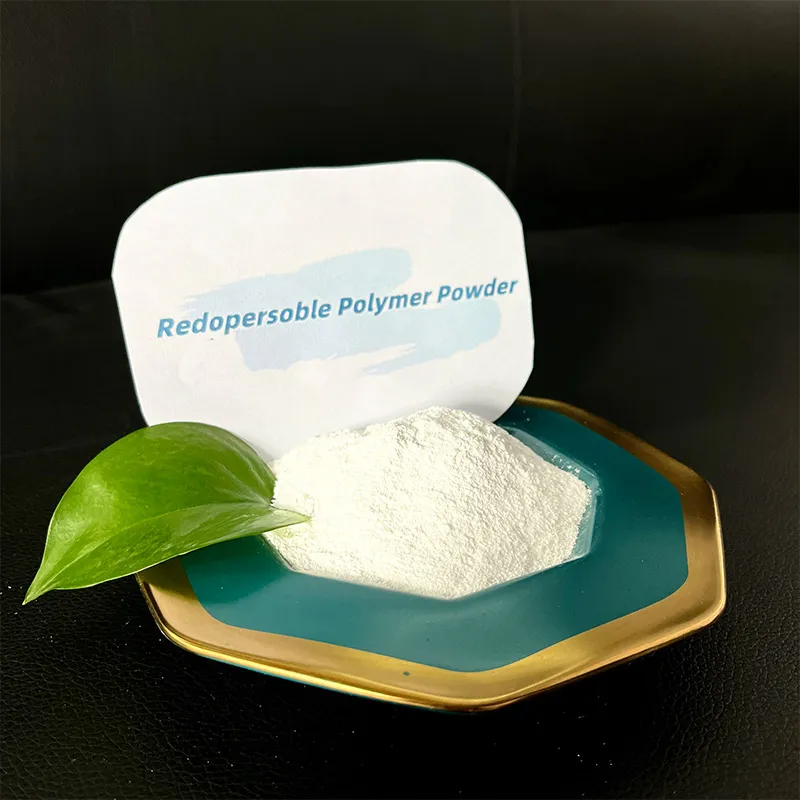
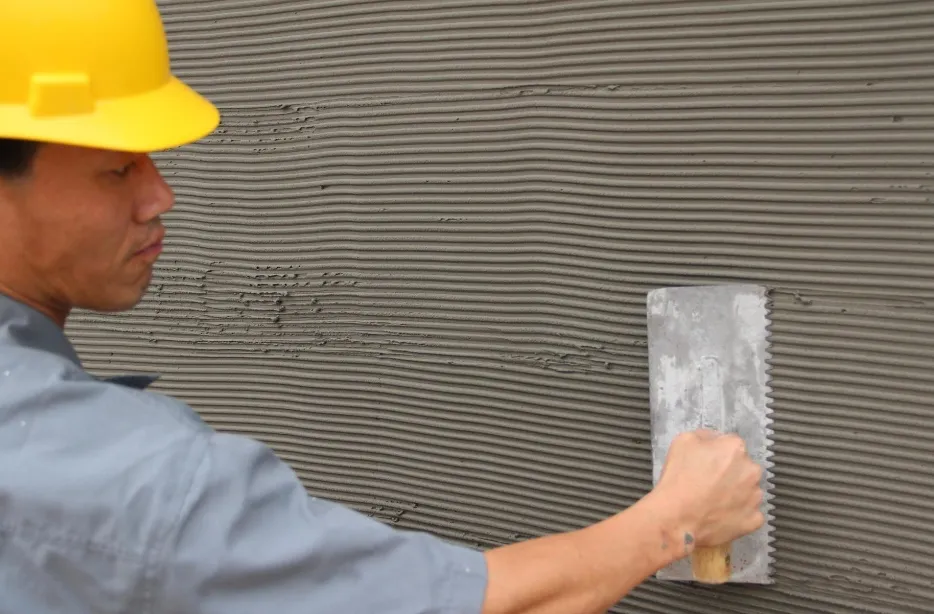
Redispersible powder VAE: Field Notes from the Jobsite and the Lab If you work with dry-mix mortars, you already rely on redispersible emulsion powder . The acronym soup (VAE, EVA, etc.) can be confusing, but the value isn’t: flexibility, adhesion, and workability in a simple sack mix. I’ve seen crews shave hours off installs just by switching to a balanced VAE grade—less slump, better open time. Honestly, the difference shows up by lunch. What it is and why it’s trending Redispersible powder VAE is a spray-dried vinyl acetate–ethylene copolymer with protective colloids, designed to redisperse in water and coalesce with cementitious or gypsum binders. Market-wise, the trend is toward low-VOC, low-ash grades, improved hydrophobicity, and consistent performance in high-alkali cements. Many customers say the newer VAE grades handle better in hot, dry weather—less skinning, steadier open time. Quick specs (typical, real-world use may vary) Property Typical Value ≈ Method/Standard Polymer base VAE copolymer JC/T 2190 Glass transition (Tg) -10 to +5 °C DSC Bulk density ≈ 400–550 g/L JC/T 2190 Residual moisture ≤ 1.5 % JC/T 2190 Ash content ≈ 10–14 % 900 °C Redispersion Stable, fine ISO 3219 (dispersion) pH (50% dispersion) ≈ 6–9 ISO 976 Process flow and testing (how it’s made and proven) Materials: VAE base emulsion, protective colloid (often PVOH), anti-caking mineral, process water. Method: emulsion polymerization → filtration → spray-drying → sieving → packaging. Each batch is checked for moisture, ash, sieve residue, and redispersion. For mortar performance, labs track tensile adhesion per EN 1348/EN 12004, compressive strength per ASTM C109, and ETICS compatibility via ETAG 004 guidance. Service life? In systems like tile adhesives and ETICS, I’ve seen 20–30 years with proper formulation and installation, though climate and substrate prep absolutely matter. Applications and advantages Tile adhesives (C1/C2): stronger wet and heat resistance, longer open time. ETICS/basecoats: crack bridging, impact resistance. Self-leveling underlayments: cohesion, abrasion resistance. Gypsum plasters/putties: smooth troweling, reduced dusting. Repair mortars: adhesion to old concrete; surprisingly forgiving on marginal substrates. Many crews report 15–25% better tensile adhesion after water immersion with a well-chosen redispersible emulsion powder , plus cleaner edges and fewer callbacks. To be honest, the “feel” on the trowel sells it. Vendor snapshot and customization Vendor Base Typical Add-ons MOQ Price ≈ Lead Time SSH HongBang (Hebei) VAE Hydrophobic, low-ash options ≈ 1–3 MT Value-focused 2–4 weeks Global Vendor A VAE/E blends Premium modifiers ≥ 3 MT Higher 3–6 weeks Regional Vendor B VAE Standard anti-cake ≈ 1 MT Mid-range 2–5 weeks Customization knobs: Tg window for flexibility vs. hardness, hydrophobic treatment for wet rooms, ash level for color-critical grouts, particle-size profile for pumping, and anti-caking package for long hauls. In fact, pairing a flexible redispersible emulsion powder with a cellulose ether tweak can save a failing C2 recipe. Case notes, origin, certifications Case 1 (tile adhesive, coastal): switching to a hydrophobic VAE boosted wet-adhesion by ≈20% (EN 1348). Case 2 (ETICS basecoat): impact resistance improved from 6 to 10 J after optimizing dosage and sand grading (ETAG 004 method). Case 3 (gypsum putty, humid climate): less pinholing; painters actually called to say thanks—rare, I guess. Supplier origin: HeBei ShengShi HongBang Cellulose Technology CO.,LTDRoom 1904, Building B, Wanda Office Building, JiaoYu Road, Xinji City, Hebei Province. Certifications typically include ISO 9001; REACH and low-VOC declarations available on request. Storage: keep bags sealed, cool and dry; shelf life ≈ 12 months. Avoid lumping by minimizing condensation—basic, but it bites crews every summer. Where it fits next Expect smarter blends that keep redispersible emulsion powder performance stable across extreme temperatures. Also, tighter ash specs for light-colored decorative mortars, and maybe bio-based protective colloids—early days, but promising. References JC/T 2190-2013 Redispersible Polymer Powder for Mortar. EN 12004, EN 1346/1348: Adhesives for tiles — Test methods and requirements. ETAG 004 / EAD 040083-00-0404: ETICS with rendering — Assessment methods. ASTM C109/C109M: Compressive Strength of Hydraulic Cement Mortars. ISO 9001:2015 Quality Management Systems; ISO 3219 Rheology (reference for dispersion testing).
- 40000tons

Production
- 20+years

Experience
- 5000+㎡

Acreage

-
Hydroxypropyl methylcellulose (HPMC) is gaining attention in the haircare industry for its multifaceted benefits and versatile applications. As a non-ionic, water-soluble cellulose derivative, HPMC is known for its ability to form films and retain moisture, making it an ideal ingredient for various haircare formulations. From its excellent conditioning properties to its role in enhancing product texture and performance, HPMC is rapidly emerging as a must-have component in modern haircare solutions. Understanding the composition of HPMC is key to appreciating its benefits in haircare. HPMC is derived from natural cellulose sources like wood pulp and cotton, making it a sustainable option for eco-conscious consumers. The modification process enhances its solubility and stability, allowing it to perform effectively in a wide range of pH levels. This chemical resilience ensures that HPMC maintains its functionality, providing consistent results with every use. One of the primary benefits of incorporating HPMC into haircare products is its superior moisture retention capability. This attribute is crucial for maintaining hair hydration, preventing dryness, and enhancing overall hair manageability. HPMC's ability to form a thin, flexible film on the hair shaft helps to lock in moisture, keeping hair soft and smooth. For individuals with dry or damaged hair, products containing HPMC can be transformative, turning brittle strands into silky, resilient locks. In addition to moisture retention, HPMC is praised for its conditioning properties. It acts as a detangler, making it easier to comb and style hair without breakage. This is particularly beneficial for textured or chemically treated hair, where tangling can be a persistent issue. With HPMC-infused products, users can enjoy a smoother, more streamlined haircare routine, minimizing the stress and damage caused by traditional styling methods. Furthermore, HPMC contributes to improved product texture and viscosity, enhancing the user experience. When included in formulations, it creates a creamy consistency that glides effortlessly onto hair, providing even application and better absorption of active ingredients. This not only makes the product more pleasant to use but also ensures that users receive the full spectrum of benefits from every application, from root to tip. hydroxypropyl methylcellulose for hair In the realm of expertise and scientific research, Hydroxypropyl methylcellulose has proven its worth through rigorous testing and studies . Research has shown that HPMC's biodegradability and minimal ecological impact make it a favored choice for clean beauty brands committed to sustainable practices. Moreover, its compatibility with other natural and synthetic ingredients allows formulators to design innovative haircare solutions tailored to specific hair types and needs. Trustworthiness and safety are paramount when it comes to personal care products. HPMC is recognized as safe for use by health and regulatory bodies worldwide, including the FDA and the European Commission. Its long-standing record of safe use in both the food and cosmetic industries further underscores its reliability as a trusted haircare ingredient. Consumers can use HPMC-enhanced hair products with confidence, knowing they are choosing a safe and effective solution. Innovations in haircare continue to evolve, yet the inclusion of Hydroxypropyl methylcellulose remains a testament to the industry's commitment to blending science with natural ingredients for optimal hair health. As more individuals seek to maintain healthy hair while adhering to environmentally friendly practices, HPMC stands out as a powerful ally in achieving these goals, providing both effectiveness and peace of mind. For brands and consumers alike, Hydroxypropyl methylcellulose represents not just a trend but a proven ingredient with the potential to revolutionize the haircare sector. Its unique properties and wide-ranging benefits ensure its place as a cornerstone in the development of future haircare innovations, promising both beauty and sustainability.
-
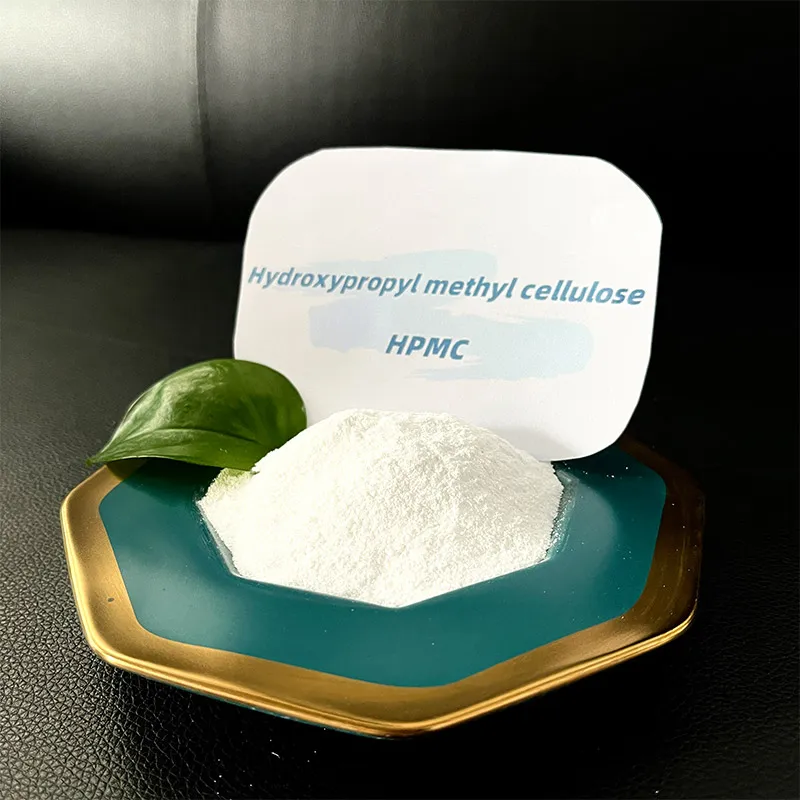
Hydroxypropyl methylcellulose (HPMC) stands as a versatile compound widely utilized across numerous industries, each benefiting from its unique properties. Its application spans from pharmaceuticals and food production to construction and personal care products, underlining its integral role in everyday life. In the pharmaceutical industry, HPMC is renowned for its use as a binder and release agent in tablet formulations. Due to its non-toxic and biodegradable nature, it provides an effective solution for delivering active ingredients in medications. Its property of being a stable agent ensures consistent performance, making it an integral part of many tablet coatings. One personal account from a formulation scientist highlights the element of control HPMC provides, stating, “In our tablet development, HPMC offers the exact disintegration time we aim for, which is crucial for efficacy and patient compliance.” In the realm of food production, HPMC serves as an emulsifier, thickener, and stabilizer, playing a pivotal role in texture improvement and shelf-life extension. The bread and bakery sector especially benefits from HPMC’s water retention capabilities, which enhance freshness and softness of baked products. Expert bakers affirm that its inclusion leads to a more uniform crumb structure in bread, thus ensuring high-quality final products that retain moisture longer without compromising flavor or texture. The construction industry utilizes HPMC as a key component in producing high-performance cement and drywall applications. Its water retention and workability properties improve the performance of cement-based products significantly. A construction material engineer notes, “HPMC in construction mixes leads to better adhesion and workability, reducing waste and increasing longevity of the structure.” This is especially relevant in modern buildings where energy efficiency and building integrity are of utmost importance. hydroxypropyl methyl cellulose uses Personal care products such as shampoos, lotions, and toothpaste also capitalize on the thickening and stabilizing properties of HPMC. Its inert behavior and compatibility with other components make it ideal for delicate skin care formulations. For instance, in hair care products, HPMC helps maintain the desired viscosity for a luxurious application experience, while ensuring product stability over time. Dermatology experts trust HPMC for sensitive skin formulas due to its non-irritant profile, which is essential for hypoallergenic products. In the context of environmental consciousness, HPMC’s biodegradable nature aligns with sustainable practices in manufacturing and product formulations. This attribute makes it an appealing choice for companies aiming to reduce their environmental footprint. Hospitals and medical facilities adopting green practices prefer using HPMC-based disposable medical supplies, as it supports their commitment to environmentally friendly practices. Research and development sectors continually explore HPMC’s potential to formulate new products. Its multifunctional capabilities open avenues for innovation, allowing scientists to develop new materials that could revolutionize existing solutions in various fields. For example, the emerging research into its use in 3D printing materials promises a future where HPMC-based bio-inks could significantly impact medical prosthetics and tissue engineering. In conclusion, hydroxypropyl methylcellulose is not merely a compound but a bridge to innovative solutions across industries . Its non-toxic, biodegradable properties combined with its multifunctional use underscore its importance. For businesses and professionals, understanding and harnessing the applications of HPMC can lead to significant advancements in product design and sustainability. Its extensive use cases and continual presence in cutting-edge research position it as a valuable asset in global industrial practices.
advantages
-

200000 Viscosities
Excellent product
We can produce pure products up to 200,000 viscosities
-

40000 tons
High yield
We don’t stop production all year round, and the annual output can reach 40,000 tons
-

24 hours
Quality service
We provide 24-hours online reception service, welcome to consult at any time
———— Inquiry Form
Schedule A services

-
 china_manufacturer
Oct . 25, 2025
Unlocking the Potential of HPMC A Comprehensive Guide to Finding Quality HPMC for Sale Exploring the -
 hydroxypropyl_methylcellulose_e5
Oct . 25, 2025
In the rapidly evolving world of construction and pharmaceuticals, the rising star of sustainable ma -
 retaine_hpmc_lubricant_eye_drops
Oct . 25, 2025
The Rise and Impact of Man-Made Synthetic Fibers The evolution of textiles has significantly influen


